
The Vision Behind One Earth Mission Explained
When I first encountered the idea behind the one earth initiative, I was struck by its simplicity and ambition. It’s not just another environmental project; it’s a movement that seeks to transform how we think about waste, carbon, and sustainability. But what exactly drives this vision? Why does it matter so much, and how can it reshape industries like composting and insect cultivation? Let’s take a thoughtful journey through the mission behind One Earth and explore what it means for our planet’s future.
Understanding the One Earth Mission Explained
At its core, the One Earth mission is about making composting a financially viable solution to reduce greenhouse gases. It’s a bold goal, but one that feels necessary given the urgency of climate change. Composting, as many of us know, is the natural process of recycling organic matter—like food scraps and yard waste—into nutrient-rich soil. But what if this simple act could also become a powerful tool in the fight against carbon emissions?
The mission is clear: expand the composting and insect cultivation industries and connect them to the voluntary carbon market. This connection is crucial because it creates a financial incentive for businesses and individuals to participate. Instead of seeing composting as just a chore or a niche activity, it becomes a profitable and impactful environmental strategy.
Why insect cultivation? Well, insects like black soldier flies can convert organic waste into protein-rich feed for animals, reducing reliance on traditional feed sources that often have a heavy carbon footprint. This innovative approach complements composting and adds another layer to the sustainability puzzle.
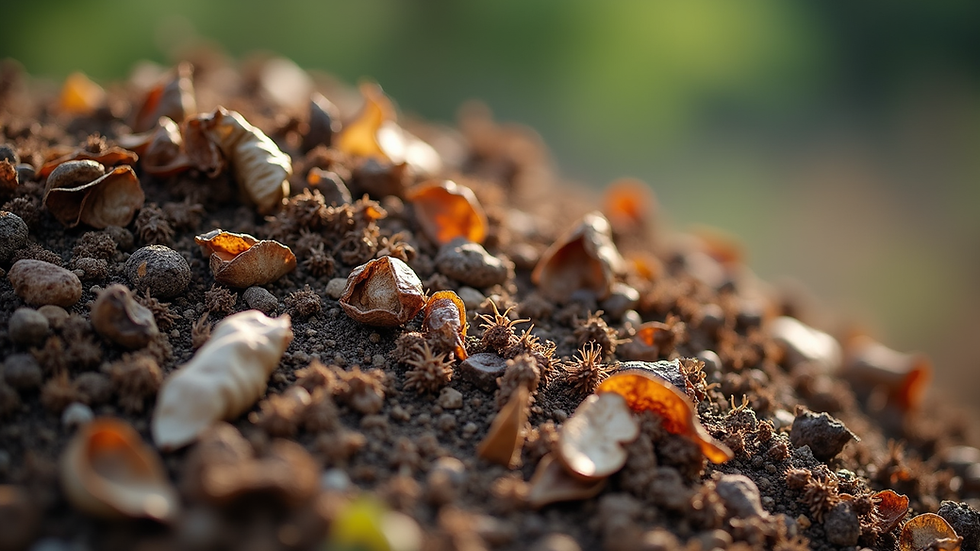
Close-up view of compost pile with organic waste breaking down
The Practical Impact on Composters and Food Producers
If you’re involved in composting or food production, you might wonder how this vision translates into your daily work. The answer lies in creating a system where your efforts are rewarded financially and environmentally.
For composters, this means access to new markets where the carbon credits generated from composting activities can be sold. These credits represent the reduction of greenhouse gases and can be traded in the voluntary carbon market. Imagine turning your composting operation into a revenue stream while helping the planet at the same time.
Food producers also stand to benefit. By integrating composting and insect cultivation into their supply chains, they can reduce waste, lower costs, and improve sustainability credentials. For example, a farm could use insect larvae to convert food waste into animal feed, closing the loop and reducing the need for external inputs.
Here are some actionable steps for composters and food producers to align with this mission:
Measure and document your composting activities to quantify carbon reductions.
Explore partnerships with carbon market platforms to monetize your environmental impact.
Incorporate insect cultivation as a complementary process to enhance waste conversion.
Educate your team and customers about the environmental and financial benefits of these practices.
This approach not only supports environmental goals but also strengthens business resilience in a changing market.
Connecting Composting to the Voluntary Carbon Market
One of the most fascinating aspects of the One Earth mission is how it bridges composting with the voluntary carbon market. But what exactly is this market, and why does it matter?
The voluntary carbon market allows companies and individuals to purchase carbon credits to offset their emissions voluntarily. These credits come from projects that reduce or remove greenhouse gases, such as reforestation, renewable energy, or—in this case—composting.
By linking composting to this market, One Earth creates a financial ecosystem that rewards sustainable practices. Composters generate carbon credits by demonstrating that their activities reduce methane emissions from organic waste. These credits can then be sold to buyers looking to offset their carbon footprint.
This system encourages more people to compost and invest in sustainable waste management. It also helps scale up the composting industry, making it a significant player in climate action.

High angle view of insect cultivation bins processing organic waste
Why Insect Cultivation Matters in This Vision
You might be asking, why focus on insect cultivation alongside composting? The answer lies in efficiency and innovation.
Insects like black soldier flies are nature’s recyclers. They consume organic waste rapidly and convert it into valuable products such as protein-rich larvae and frass (insect manure), which can be used as fertilizer. This process reduces the volume of waste and produces sustainable animal feed, which is a growing market.
Insect cultivation complements composting by:
Accelerating organic waste breakdown, reducing methane emissions.
Producing alternative protein sources that lower the environmental impact of livestock feed.
Generating additional revenue streams through the sale of larvae and frass.
For those involved in food production or waste management, integrating insect cultivation can enhance sustainability and profitability. It’s a win-win that aligns perfectly with the One Earth mission.
Taking Action: How You Can Support This Vision
So, what can you do to be part of this transformative movement? Whether you’re a composter, food producer, or carbon market participant, there are practical ways to contribute.
Start or expand your composting operations with a focus on measuring carbon reductions.
Explore insect cultivation as a complementary process to increase efficiency and product diversity.
Engage with carbon market platforms to understand how to monetize your environmental impact.
Advocate for policies and incentives that support sustainable waste management and carbon markets.
Educate your community and customers about the benefits of composting and insect cultivation.
By taking these steps, you help build a more sustainable future and support the mission to reduce greenhouse gases on a meaningful scale.
The vision behind One Earth is not just about technology or markets—it’s about creating a shared responsibility and opportunity to care for our planet. It invites us to rethink waste, embrace innovation, and find value in what we once discarded.
Let’s embrace this vision together and make composting and insect cultivation pillars of a healthier, more sustainable world.


Comments